

Education is at a crossroads. For centuries, classrooms have followed the same model: a teacher at the front, students sitting in rows, everyone learning the same material at the same pace. But in 2025, that model is starting to feel outdated.
If this sounds futuristic, think again. AI is already woven into the fabric of schools, apps, and online platforms. It’s helping students learn faster, supporting teachers, and even making education more fun.
What Exactly is AI-Assisted Learning?

At its core, AI-assisted learning is about using technology to make education Personalized. Traditional learning treats everyone the same whether you’re a fast learner or someone who needs more time. AI flips that approach. It adapts lessons, feedback, and even assignments to fit each student’s unique style, pace, and preferences.
Here are some ways AI is already showing up in classrooms and apps you might recognize:
Why Students (and Teachers) Are Excited About AI
%20Are%20Excited%20About%20AI.webp "Why Students and Teachers Are Excited About AI")
AI in education isn’t just about efficiency—it’s about making learning better for everyone.
1. Personalized Learning Like Never Before
2. Teachers as Super-Heroes, Not Replaced
3. Learning Feels Like a Game
4. Smarter Decisions Through Data
The Flip Side: Challenges We Can’t Ignore

Of course, no technology is perfect. Bringing AI into the classroom comes with risks that we have to handle carefully.
- Over-reliance on AI: If students lean on AI for every essay, math problem, or project, they may lose essential skills like critical thinking and creativity. AI should be a helper, not a crutch.
- Privacy concerns: AI tools collect a lot of data from test scores to learning habits. Schools must ensure this sensitive information is kept secure and transparent.
- Bias in algorithms: If AI systems are trained on limited data, they might unintentionally favor certain groups of students over others. This could widen educational inequalities.
- The digital divide: Fancy AI platforms are often expensive. Wealthier schools may adopt them quickly, while underfunded schools fall behind. As noted in a UNESCO report, bridging this gap will require governments and companies to step up with affordable or open-source solutions.
How Teachers’ Roles Are Changing

AI is not about making teachers less important, it’s about making them more impactful. Their role is evolving in three big ways:
- From Information Provider to Guide: Facts are everywhere online. What students really need is someone to help them make sense of information, connect it, and apply it.
- From Grader to Mentor: With AI handling grading, teachers can spend more time in one on one conversations with students.
- From Lecturer to Designer: Teachers are becoming architects of experiences, building projects, simulations, and activities that make learning real.
A Glimpse Into the Future: Classrooms of 2030

What will the next decade of AI in education look like? Here are some possibilities already being tested:
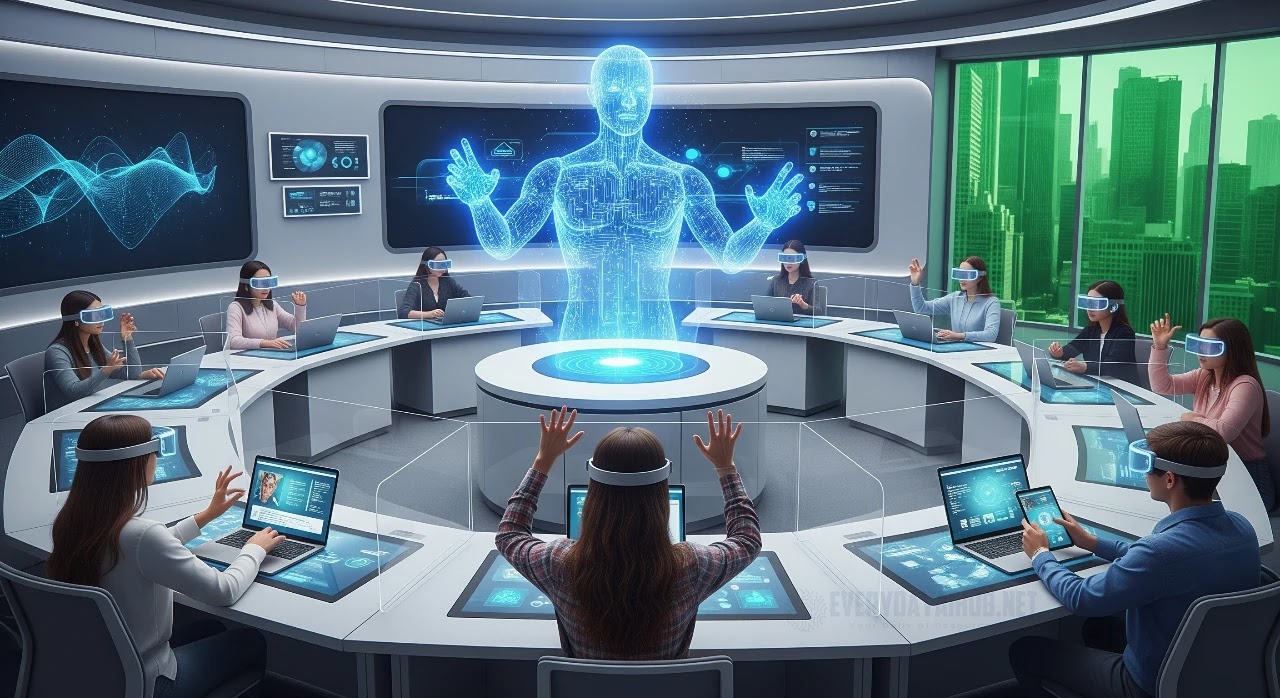
- AI + Virtual Reality (VR): Picture a history lesson where you don VR goggles and walk the streets of ancient Rome. Or a medical student practicing surgery on a lifelike virtual patient.
- AI Career Coaches: Future systems could analyze students’ skills, interests, and academic performance to recommend career paths, courses, and even extracurriculars.
- AI as a Creative Partner: Students may co-create music, artwork, or even business ideas alongside AI tools, turning learning into a creative collaboration.
- Lifelong Personalized Learning: Education won’t stop at graduation. AI could continue guiding professionals throughout their careers, adapting training programs as industries evolve.
Real Stories: Where AI is Already Making a Difference

- Google Lens (Socratic by Google): This free app lets students snap a picture of a homework problem. The AI explains the concept behind it instead of just giving the answer.
- Arizona State University: They’ve integrated AI chatbots to answer routine student questions, everything from class schedules to assignment deadlines reducing administrative bottlenecks.
Conclusion: A Partnership, Not a Replacement

The real question isn’t “Will AI take over education?” it’s “How can we use it responsibly to improve learning?”
AI can personalize education, give teachers superpowers, and make classrooms more engaging. But it comes with challenges like privacy, equity, and over-reliance that must be addressed head-on.
The future of education isn’t about choosing between humans and AI. It’s about partnership. When we let AI handle the repetitive tasks and give teachers more space to inspire, we get the best of both worlds: technology’s precision and humanity’s heart.
The revolution has already started, with platform like Edsurge tracking how schools are already experimenting with AI. The smartest classrooms of tomorrow will be the ones where humans and AI learn together.